BUILDING MATERIALS
There was a time when carts were entirely made of wood, they didn't have any metal pieces. There are even some references to the fact that, when iron pieces were first added to carts, there was some rivalry between the purists, those who defended that carts should be entirely made of wood, and those who were incorporating iron.1.
It is a fact that adding iron to carts, for nails, chantois, gardamontes, or gatas da cabezalla, improved their performance, making them more resistant, long-lasting and adapted to some very difficult soils. Iron made it possible to space out maintenance tasks, such as the changing of wheels, and allowed carts to have a longer life.
The materials used to build carts could vary in different areas. The most common materials for the different pieces of a cart are listed below:
- Wheel bearings: alder and birch.
- Treitoiras e apeladoiras: oak tree.
- Axle: ash tree, alder, birch, and oak.
- Wheels: oak.
- Chedas e cabezalla: oak.
- Cadeas: oak.
- Chavellas: oak and willow.
- Latas: chestnut, birch, and oak.
 |
 |
 |
|
 |
|
 |
 |
|
|
|
 |
 |
 |
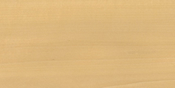 |
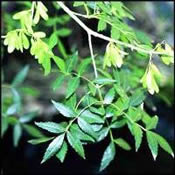
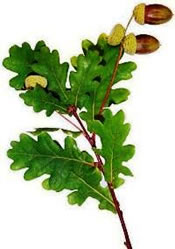
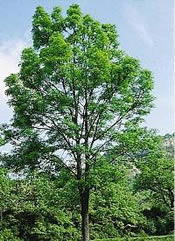
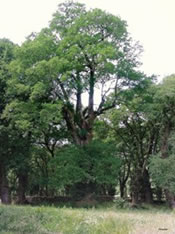
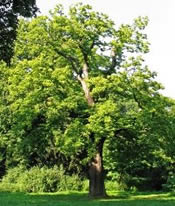
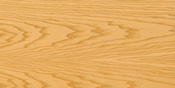
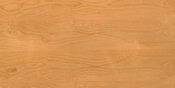
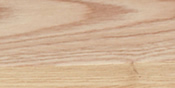
| ASH TREE. Quick drying wood, easy to work, highly resistant to bending and wear. | OAK. Slow drying, long-lasting wood, not very easy to work. |
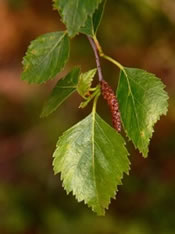
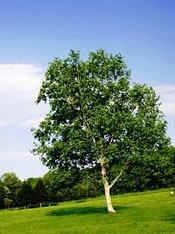
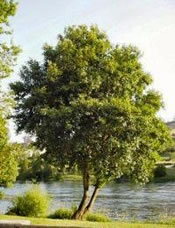
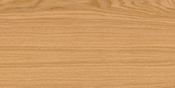
BIRCH. Quick drying wood, easy to work, sensitive to fungi, and highly resistant to bending. |
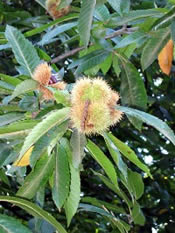
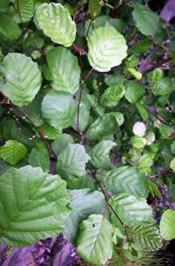
CHESTNUT. Slow drying, long-lasting wood. | ALDER. Quick drying wood, sensitive to fungi, easy to work, with low bending resistance. |
1LOURENZO, Xaquín. ”Nomencatura del carro gallego”. Revista de Dialectología y Tradiciones Populares. Tomo XII. Cuad 1-2 Madrid, 1956 (p115)